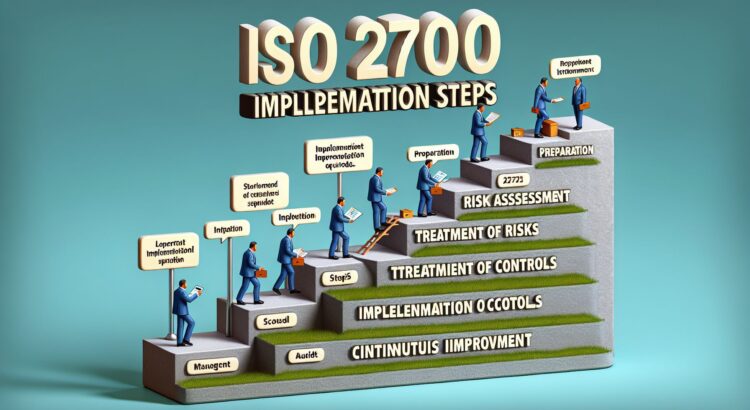
ISO 27001 sets the standard for managing information security. It helps organizations protect their information systematically. Companies that meet the ISO 27001 requirements show they take security seriously. This article will outline a clear, step-by-step approach to tackling ISO 27001 requirements.
Step 1: Understand ISO 27001 Basics
Start by familiarizing yourself with ISO 27001. The standard focuses on establishing, implementing, maintaining, and continually improving an information security management system (ISMS). Key concepts include risk assessment, security controls, and management responsibilities. Understanding these core ideas will provide a foundation for compliance.
Step 2: Define the Scope of Your ISMS
Clearly define the scope of your ISMS. Identify the boundaries and applicability of the ISMS within your organization. Consider factors like the location, assets, and information. This step is crucial since it shapes your approach to risk management and the controls you must implement.
Step 3: Conduct a Risk Assessment
Perform a risk assessment to identify and evaluate risks related to information security. The outcome should determine which risks need control measures. Follow these actions:
- Identify Assets: List all information assets, including data, systems, and personnel.
- Analyze Vulnerabilities: Identify weaknesses that could be exploited by threats.
- Evaluate Impact and Likelihood: Assess the potential impact of threats and the likelihood of their occurrence.
- Prioritize Risks: Rank the risks based on their severity.
Step 4: Create an Information Security Policy
Develop a clear information security policy that outlines your organization’s commitment to information security. This policy should:
- Define security objectives.
- Provide guidance on roles and responsibilities.
- Outline the framework for implementing controls.
Make sure this policy is accessible to all employees to promote awareness and compliance.
Step 5: Implement Security Controls
Based on your risk assessment and security policy, implement appropriate security controls. ISO 27001 provides a list of controls in Annex A. Choose controls based on the identified risks and the context of your organization. Examples of common controls include:
- Access Control: Restrict access to sensitive information.
- Data Encryption: Protect data in transit and at rest.
- Security Awareness Training: Educate employees about security threats and proper practices.
Step 6: Assign Roles and Responsibilities
Assign specific roles and responsibilities for information security. Designate a top management representative to lead the ISMS. Create teams responsible for different aspects of security, such as risk management and incident response. Clear responsibilities ensure accountability.
Step 7: Establish a Monitoring and Measurement Plan
Develop a plan to monitor and measure the effectiveness of your ISMS. Regularly assess whether security controls are working as intended. Use metrics and key performance indicators (KPIs) to evaluate performance. Schedule audits and reviews to identify areas for improvement.
Step 8: Conduct Internal Audits
Perform internal audits to assess your ISMS’s compliance with ISO 27001. Audits help identify gaps in the system and measure the effectiveness of controls. Follow these steps:
- Select Auditors: Choose qualified personnel to conduct audits.
- Plan Audits: Schedule audits systematically.
- Document Findings: Record observations and areas of non-compliance.
- Implement Corrective Actions: Address issues found during audits.
Step 9: Manage Incidents
Establish a procedure for managing security incidents. This procedure should allow for a timely response to incidents, including:
- Detection
- Reporting
- Assessment
- Mitigation
- Recovery
Regularly test your incident management plan. This ensures your organization can respond effectively when incidents occur.
Step 10: Review and Improve
Regularly review your ISMS to identify areas for improvement. Ensure it evolves with changing risks and business needs. Engage in management reviews and use feedback from audits and incident management to enhance security practices.
Additional Considerations
Pros of ISO 27001 Certification
- Enhanced Security: Implementing the standard reduces information security risks effectively.
- Increased Trust: Customers and partners gain confidence in your security practices.
- Regulatory Compliance: Aligning with ISO 27001 can help meet various legal and regulatory requirements.
- Continuous Improvement: The standard promotes ongoing assessment and improvement of security practices.
Cons of ISO 27001 Certification
- Resource Intensive: Achieving certification requires time, effort, and financial resources.
- Complexity: For smaller organizations, the requirements may seem overwhelming.
- Ongoing Maintenance: Maintaining compliance requires continual monitoring and audits.
Real-Life Examples
-
Healthcare Sector: A hospital implemented ISO 27001 to protect patient data. After certification, they experienced fewer security breaches and enhanced trust from patients.
-
Tech Startup: A startup integrated ISO 27001 from the beginning. This proactive approach attracted more clients who prioritized security.
Conclusion
Tackling ISO 27001 requirements is a systematic process. Start by understanding the basics, defining the scope, and assessing risks. Implement security controls and establish clear roles. Regular audits and continuous improvements are key to maintaining compliance. Although the process requires dedication, the benefits, including enhanced security and trust, make it worthwhile.
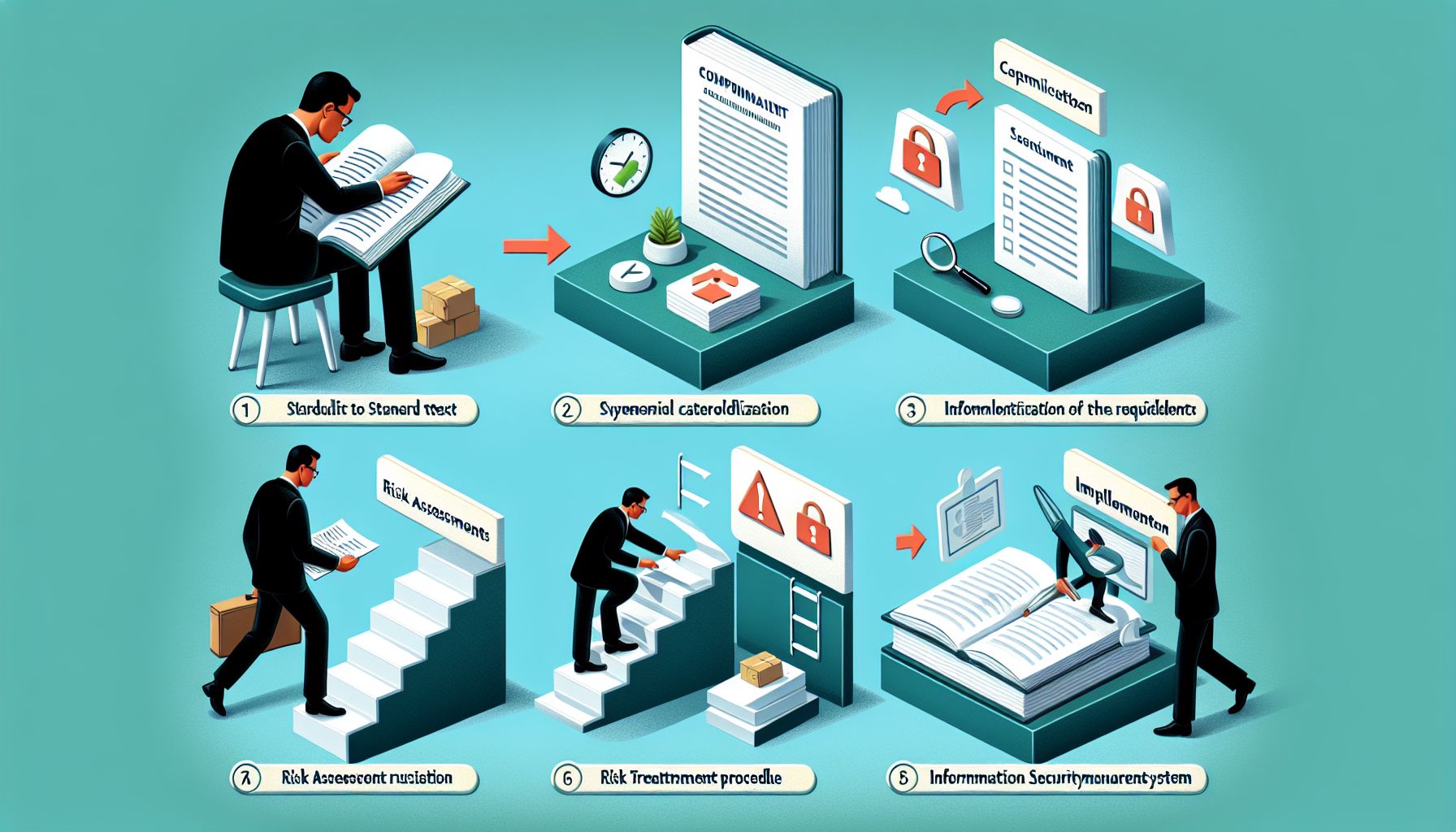
By following these steps, your organization can effectively address ISO 27001 requirements and strengthen its information security posture. Remember, security is an ongoing journey, and staying committed to best practices will lead to lasting improvements.