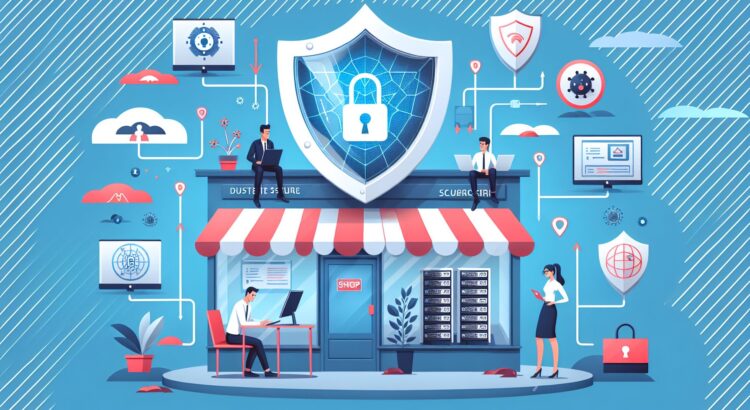
Small businesses face many challenges, and cybersecurity is one of the most significant. Cyber threats can harm operations, finances, and reputation. Understanding cybersecurity is essential for all small business owners. This article covers essential aspects of cybersecurity, including threats, preventive measures, and best practices.
Understanding Cybersecurity Threats
Cybersecurity threats can come from various sources. Knowing these threats helps small businesses protect themselves.
Types of Cyber Threats
-
Phishing Attacks: Cybercriminals use emails or messages to trick users into revealing personal information. They often impersonate trusted sources.
-
Ransomware: This malware encrypts files and demands payment for access. Ransomware can cripple a business’s operations.
-
Data Breaches: Attackers gain unauthorized access to sensitive data. Data breaches can lead to financial loss and damage to reputation.
-
Denial-of-Service (DoS) Attacks: These attacks overload a system with traffic, making it unable to respond to legitimate requests.
-
Malware: General software designed to disrupt or damage systems. It can steal data or take control of devices.
Recognizing Vulnerabilities
Small businesses often lack the resources to maintain strong defenses. Common vulnerabilities include:
- Outdated software: Failing to update systems leaves them open to attacks.
- Weak passwords: Simple or reused passwords make it easy for attackers to gain access.
- Lack of employee training: Employees unaware of security practices can unknowingly expose businesses to threats.
Importance of Cybersecurity for Small Businesses
Cybersecurity is vital for small businesses. It protects assets, ensures compliance, and fosters customer trust.
Protecting Business Assets
Cyber attacks can lead to the loss of valuable data, intellectual property, and financial resources. Effective cybersecurity minimizes the risk of these losses.
Ensuring Compliance
Many industries have regulations regarding data protection. Failure to comply can result in fines or legal penalties. Implementing security measures helps businesses stay compliant.
Building Customer Trust
Customers trust businesses that protect their information. Good cybersecurity practices can strengthen customer relationships. A data breach can damage reputation and lead to loss of customers.
Basic Cybersecurity Practices
Implementing basic cybersecurity practices is crucial for protecting small businesses.
Regular Software Updates
Always update operating systems and applications. Updates often include security patches that fix vulnerabilities.
Strong Password Policies
Enforce the use of strong passwords. Encourage employees to create unique passwords for different accounts. Consider using password managers to store credentials securely.
Multi-Factor Authentication (MFA)
Enable MFA for important accounts. This adds an extra layer of security by requiring more than one form of verification.
Employee Training and Awareness
Train employees on cybersecurity practices. Regular training sessions can help staff recognize threats like phishing attempts or suspicious links.
Advanced Cybersecurity Measures
Once basic practices are in place, small businesses can consider advanced measures.
Firewalls
Use firewalls to protect your network from unauthorized access. Firewalls can filter incoming and outgoing traffic, blocking potential threats.
Antivirus Software
Install antivirus software to detect and remove malware. Regularly scan systems to ensure they are free of malicious software.
Data Backup Solutions
Implement regular data backup solutions. Backing up data protects against data loss due to cyber attacks or hardware failures. Ensure backups are stored securely, preferably offsite.
Incident Response Plan
Develop an incident response plan. This plan should outline steps to take in case of a cybersecurity breach. A clear plan helps minimize damage and recover quickly.
Real-World Examples
Understanding how cybersecurity affects small businesses can be illustrated with examples.
Case Study: A Small Retail Store
A small retail store faced a ransomware attack. The attackers encrypted critical data, demanding payment. The store lacked proper backups and paid the ransom. Unfortunately, they still lost customer trust and significant revenue. After the incident, they implemented stronger cybersecurity measures and trained employees to prevent future attacks.
Case Study: A Local Health Clinic
A local health clinic experienced a data breach. Patient information was compromised due to weak passwords. As a result, the clinic faced legal consequences and lost patients’ trust. To recover, they enforced strict password policies, implemented MFA, and educated staff about data protection.
Pros and Cons of Cybersecurity Measures
Every security measure has advantages and potential downsides. Understanding these can help businesses make informed decisions.
Pros
- Prevents Data Loss: Effective measures protect against losing sensitive data.
- Enhances Reputation: Secure businesses build trust with customers.
- Compliance: Meeting regulations avoids legal penalties.
Cons
- Costs: Implementing cybersecurity measures can be expensive, especially for small businesses.
- Complexity: Advanced measures can add complexity to operations.
- Time-Consuming: Regular training and updates require time and effort.
Conclusion
Cybersecurity is essential for small businesses to thrive in today’s digital landscape. Understanding threats, implementing basic practices, and considering advanced measures can significantly reduce risks. Investing time and resources into cybersecurity not only protects the business but also builds trust with customers. By prioritizing cybersecurity, small businesses can safeguard their future.
In summary, do not ignore cybersecurity. Stay informed, stay prepared, and protect your business.